New Zealand: the land of van life. The ultimate road-trip destination on the other side of the world, with freedom camping, ferries between islands and routes that change every 20 km.
Key Points
- The ultimate road-trip destination on the other side of the world
- Fully equipped campervans in any city
- Legal freedom camping at countless spots
- Landscapes that change every 20 kilometres
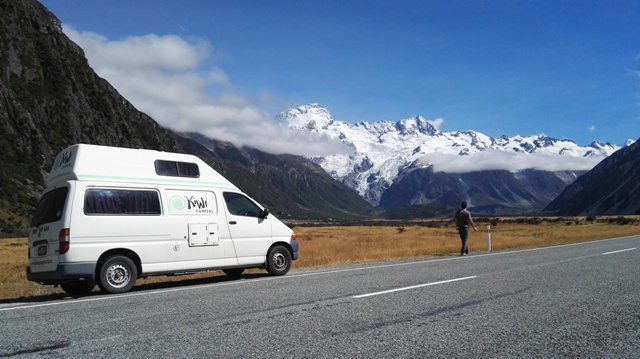
If there is one destination that could be considered The Mecca of campervan travel, it is undoubtedly New Zealand. Film-set landscapes, endless possibilities for outdoor activities and an enviable infrastructure built specifically around this style of tourism make this country the true "Land of the Campervan".
Without a doubt, travelling to New Zealand has meant fulfilling one of our most cherished dreams as the Vanyou team.
On the one hand, New Zealand is widely known for its landscapes and natural environments and for the endless options to enjoy outdoor activities. But on top of that, travelling by motorhome or campervan is fully established and forms part of the country's culture, so everything is organised around this kind of tourism.
Both locals and visitors mostly choose this option, and you can feel a culture of nomadic tourism based on respect and harmony with the environment, very far from what we are used to seeing. As a result, there is an enviable infrastructure of services and facilities, both free and paid.
In general, it is fairly easy to find an option that suits you, there is plenty of information and everything is well signposted. All of this makes New Zealand one of the best worldwide destinations for campervan lovers. Absolutely recommended.
In this post we do not aim to write a full travel diary, but rather to share practical and useful data for anyone considering a trip like this.
For more detailed accounts, we refer you to our friends Berta and Rober's blog (https://dando1vueltaporelmundo.wordpress.com). They helped us a lot when planning our route — you'll find very useful information on their blog.
First, some summary data:
- Trip date: February 2017
- Destination: South Island
- Trip duration: 22 days
- Days in the campervan: 19
- Kilometres covered: 5,000
Trip budget:
- Flight ticket Valencia–Christchurch–Valencia: €1,500/person
- Campervan rental (19 days): €1,945 (Kiwi Campers / Happy Campers)
- Travel insurance with Iati: €160/person
- Supermarket shopping: €400
- Fuel: €700
- Ten nights in paid campsites (six in DOC sites and four in private sites): €220
- Two nights in a hostel: €135
And now, some practical tips:
Weather
The weather is quite variable, and depends on which part of the island you are in. The northern part of the South Island has better weather, around 10 degrees warmer than the rest of the island. The South Coast, Fiordland and West Coast are quite rainy. It is practically impossible to escape a rainy day, and overcast skies are frequent.
In summer (January and February), temperatures are quite mild, around 18–20 degrees, and with luck the odd day a little higher. We recommend bringing warm clothing. Campervans usually come with enough bedding so you won't get cold at night.
Preparation
If you plan to visit the country between December and April (high season) and rent a campervan, we strongly recommend booking as far in advance as possible (at least 3 or 4 months). If you don't, you risk finding everything already booked (the dreaded sold-out). In that case you can contact the agency Adventiv (https://adventiv.co.nz/). They work with rental companies and handle the search for an available van at no cost to you.
Among the many companies that exist here, some are: Kiwi/Happy Campers, Jucy, Britz, Apollo, Mighty, Travellers, Maui, Eurocampers, Tuicampers, Budgy. On our Facebook you can see an album with vans from all these companies and a few more: https://goo.gl/AHO0Aq
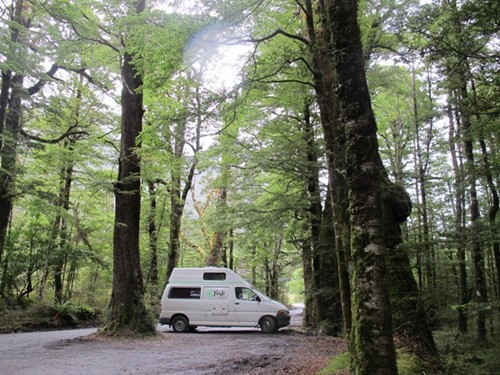
Choosing the right type of van is quite important. There are options for every taste and budget — from small MPVs prepared for sleeping to motorhomes with every luxury. We recommend a van with the Self-Contained certification. To obtain it, the vehicle must have a grey water tank and chemical WC, meaning you don't require any external infrastructure.
If your van is certified as Self-Contained (it must carry a sticker proving it), you'll be able to stay overnight in many free locations. If the van you rent is diesel, you should know that when you return the vehicle they will charge you an emissions fee based on the kilometres driven. Vans are usually petrol.
The international driving permit is essential to rent a vehicle — don't forget to bring it with you along with your original national licence. They asked us for both when signing the rental contract and registering us as drivers.
On arrival
Rental companies usually offer free pick-up service only at the airport. To get from the airport to Christchurch or your hotel we recommend the Supershuttle minibuses (https://www.supershuttle.co.nz/). You can book online or on the bus itself. The price is €10/person from the airport to the city's hotels and hostels. It runs very efficiently.
At airport customs, immigration is fairly simple and quick — just a few routine questions. One thing to keep in mind: if you bring hiking boots, a tent, etc., you must declare them. On arrival they'll inspect them; if they have dirt, mud, etc., they'll temporarily confiscate them and disinfect them.
Before leaving the airport, you can buy a SIM card for your phone. We bought one from Spark, opting for the tariff with 3GB, 200 minutes of free international calls and free national calls. The price was €25 and it was more than enough. Spark also has phone booths all over the island where you can connect to Wi-Fi, with 1GB per day.
Having a local phone number can help when managing bookings, unexpected issues, etc. Campsites usually have Wi-Fi, sometimes included in the price or paid separately.
Download an app for campervan travellers. We used Campermate (http://www.campermate.co.nz). The information it offers was a big help throughout the trip: overnight spots, supermarkets, activity deals, petrol stations, campsites, discounts, etc.
On the road
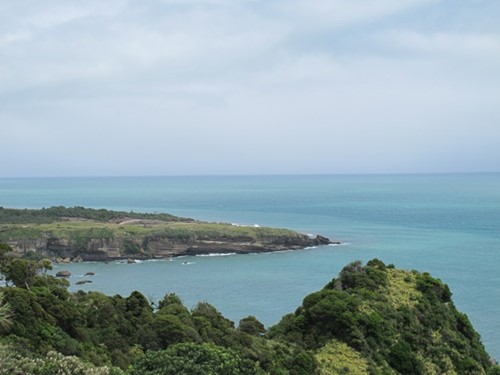
Driving in NZ is quite an experience. First of all, you'll have to get used to driving on the left and to the driver's position on the right side of the vehicle. It's tricky at first but you get used to it. Roundabouts are almost the easy part — the trickiest are unsignalled crossings. The maximum speed on roads is 100 km/h.
You'll only find motorways around Christchurch; the rest of the roads are like Spanish national roads, or rather secondary roads. They usually have no hard shoulder. There are many mountain passes and you won't find a second lane for slow vehicles, so overtaking is quite complicated. On bridges and fords there's often only one lane and you have to wait and give way to the vehicle that is crossing.
If you drive slowly and have a queue behind you, you should pull over to the left when possible and let others pass. An unwritten rule is to never have more than four vehicles behind you. Plan your distances and time. Driving 200 km in New Zealand is nothing like what we are used to in Spain.
Petrol stations in the same town all have the same price, very handy as you don't have to compare prices. Stations offer points cards redeemable for fuel discounts. Petrol prices fluctuated from €1.37/litre to €1.45/litre.
Sleeping overnight
You'll always find many options:
- Holiday Parks: present everywhere, especially in the most touristy towns. They have different prices and services (€20–€40 per night per pitch for two people). They usually offer electric hook-up, Wi-Fi, toilets and showers, laundry, BBQ, etc.
- DOC camps (Department of Conservation): located in natural parks where wild camping is usually forbidden. They cost €10 per person. They have toilets and little else. You usually put the money in an envelope and leave it in a box. Rangers tend to come around to check you have paid.
- Free camps: there are many places where you can stay overnight for free if your vehicle is Self-Contained. Apps like Campermate are a great help to find them.
Shopping
You have several supermarket chains: Pack & Save (the cheapest), Countdown, Foursquare (this last one we liked the least). Supermarket food is not as cheap as in Spain. There is a good variety of fresh fruit and vegetables of good quality. Some things we discovered and found recommendable:
- Hansells soups (http://www.hansells.co.nz) — very good, we tried them all!
- Menora snacks (http://www.menora.com.au)
- Quality muesli cereals: Puredelish (http://www.puredelish.co.nz)
As a curiosity, in restaurants, cafés, etc. you always pay when you order, and there is no need to leave a tip.
Our itinerary
Our choice was a loop around the island heading south from Christchurch. In summary, our itinerary was:
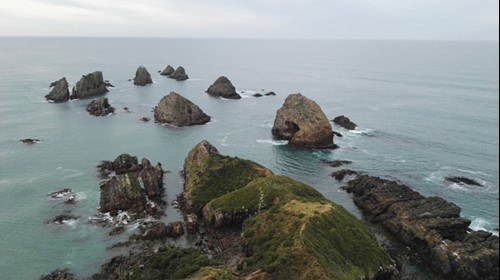
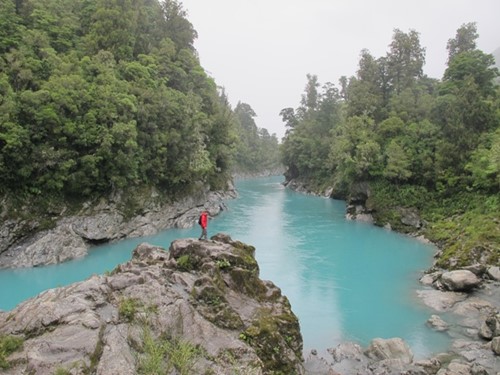
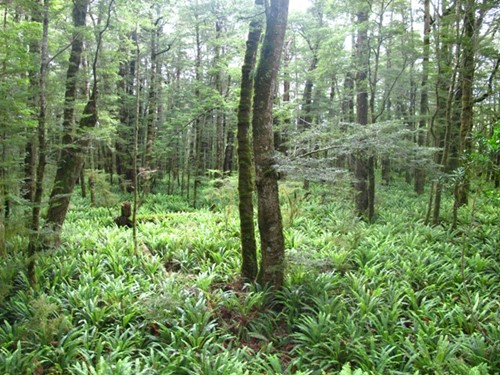
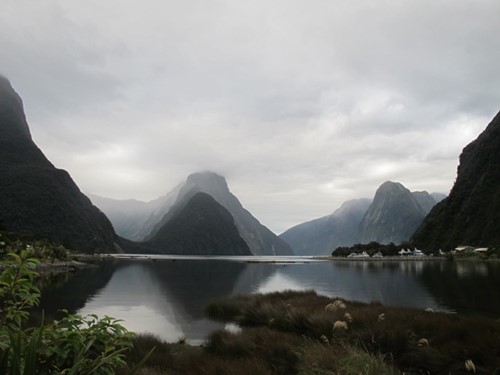
Christchurch > Moeraki Boulders > Dunedin > Nugget Point > Catlins > Curio Bay > Slope Point > Waipapa Lighthouse > Fortrose > Riverton > Colac Bay > Lake Hauroko (20 km of unpaved road to reach the lake — not worth it if short on time) > Te Anau > Milford Sound (boat tour through the fjord) > Queenstown > Wanaka > Aoraki/Mt Cook > Wanaka > Fox Glacier > Franz Joseph Glacier > Hokitika Gorge > Punakaiki > Oparara Basin > Abel Tasman Park > Farewell Spit > Kaikoura > Akaroa > Christchurch.
If you plan to visit Mt Cook it's worth planning the trip around the weather, as it's much better with clear skies — that's what we were advised and it's truly worth it.
 Activities
Our idea was to do trekking and the possibilities are truly endless. The most recommended routes are the well-known Great Walks. These are multi-stage circuits where you sleep in huts or campsites.
The main issue is that they are quite busy in high season. If you want to walk one of these, you need to book the accommodation in the huts well in advance as places are limited (there's an online booking system). The same applies if you want to camp.
Also, most of them aren't loops, so you have to arrange transport for the return. If you don't want to carry your camping gear, gear shops offer rentals. Huts are very well equipped with cooking facilities, showers, etc. There are also many agencies offering complete packages with guide, accommodation and transport.
Finally, we opted for one-day stages, returning to sleep in the van. We think it's the best option to see as much as possible if you don't have much time (complete tracks take three or four days).
A summary of what we did:
- Kepler Track, initial and final stages — in our view a bit overrated.
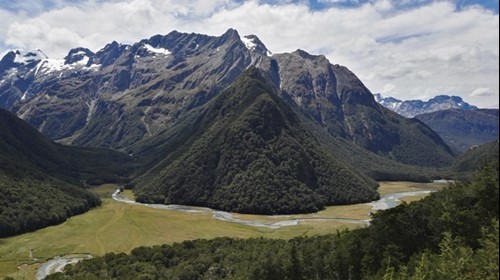
- Routeburn Track — beautiful stage from Glenorchy, breathtaking landscapes.
- Abel Tasman Track, from Bark Bay to Anchorage (highly recommended to use the Aqua-Taxi for the outward and return, avoiding the less scenic stretches).
- Climb to Roys Peak in Wanaka — demanding ascent but worth it for the lake views.
- Aoraki/Mt Cook: we did two easy itineraries — Hooker Valley and Tasman Glacier — and a more demanding one up to Mueller Hut (highly recommended, but you must be well-equipped for the cold).
- Fox Glacier, Franz Joseph Glacier: two very easy approaches to spot the glaciers — worth it.
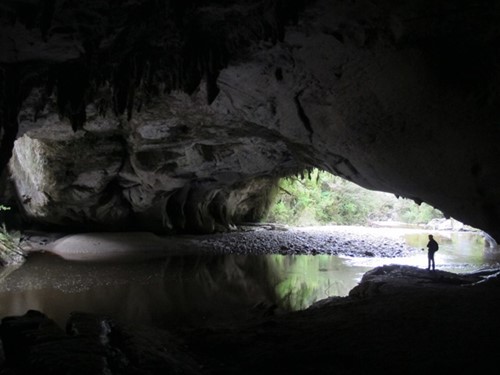
- Oparara Basin: an impressive place, a bit out of the way but worth visiting for the huge caves and natural arches.
Other activities and recommendations
- Visit to Milford Sound and boat tour through the fjord — one of the "must do" activities. You can see dolphins and seals; we did it with the Orange agency (€30 per person).
- Whale watching in Kaikoura. You can see sperm whales from the air aboard a small plane, quite an experience (€90 per person).
- The Otago Museum, in Dunedin, is worth a visit and is free.
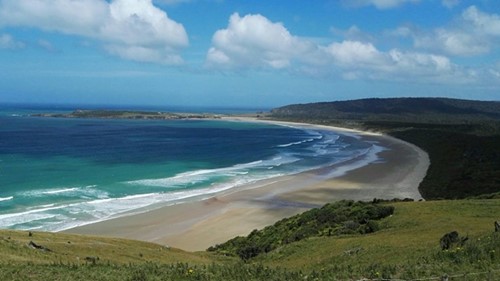
- At the remote Waipapa Lighthouse in the Catlins, we saw sea lions lying on the beach just a few metres away — truly impressive.
Christchurch
We stayed in two hostels, one at arrival and one before departure, both highly recommended: All Stars on Bealey and Jailhouse Accommodation — the latter being literally the old prison converted into a hostel, a very curious place.
The city of Christchurch can be visited in less than a day. The city centre was severely damaged by the 2010 earthquake, and we found the city is still being rebuilt. We visited the earthquake museum, the Re:Start Mall, Cathedral Square, Hagley Park and New Regent Street.
The best way to tour Christchurch is by bus — the ticket lets you take another ride free in the following two hours. Another option is to rent a bike, as there are plenty of cycle lanes around the city.

Other tips
- Bring mosquito repellent with you. In the Milford Sound area it's very advisable to have it on hand!
- At each town's tourist office you'll find very useful information about everything you can do, plus the weather forecast. If you want, they can help you book accommodation or activities. Some have Wi-Fi.
These are just a few hints of all you can see and do on the island — there are countless possibilities for activities of all kinds: hiking, mountain biking, road cycling, rafting, bungy jumping, etc.
We hope our tips are useful to you.