
Travelling by campervan in the Valencia Region: complete guide
Routes, overnight areas and practical tips to discover Castellón, Valencia and Alicante
From the northern coast of Castellón to the Costa Blanca, via the Albufera and inland villages. Four campervan routes, service areas and everything you need to know about legal overnight stays.
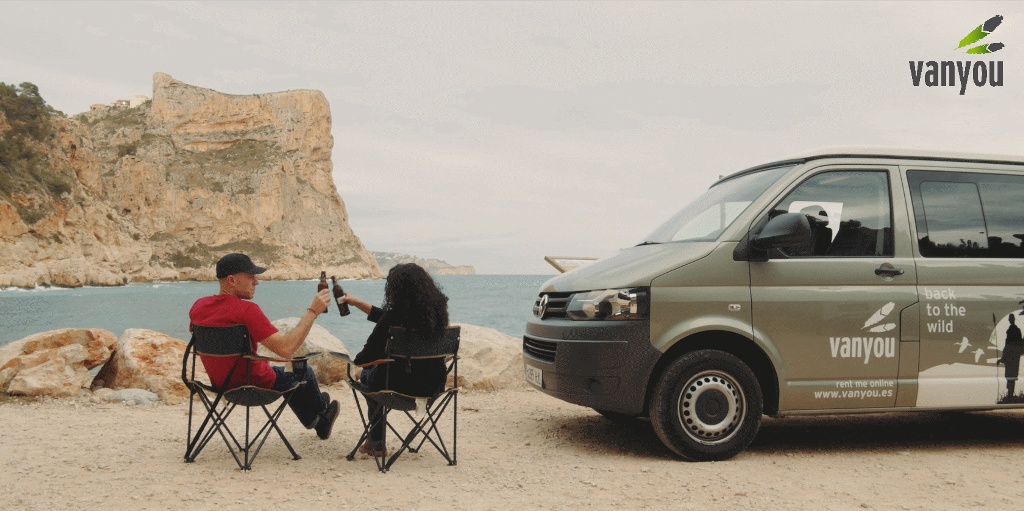
Why the Valencia Region is the perfect campervan destination
The Valencia Region packs huge variety into a small area: more than 500 km of Mediterranean coast, inland mountains with medieval villages, natural parks where overnight stays are tolerated, and a network of well-maintained secondary roads connecting everything. For a campervan getaway —weekend or two weeks— it's an unbeatable destination for accessibility and diversity.
This guide proposes four routes covering the most representative areas, tells you where you can legally stay overnight and which service areas are worth knowing. It's aimed at travellers arriving in their own van or renting one in Valencia, where most rental companies are based.
Three provinces, three ways to travel
The Valencia Region is divided into three very distinct provinces:
- Castellón (north): the least touristy, with mountain villages like Morella or Vilafamés, virgin coves in Peñíscola and Vinaròs, and quiet natural areas. Ideal if you're looking for calm.
- Valencia (centre): the capital offers a unique mix of city and nature with the Albufera 10 minutes away. The coast to the south (Cullera, Gandia) and north (Sagunto, Canet) has wide beaches and tolerated overnight areas.
- Alicante (south): the Costa Blanca is the busiest area but also the most diverse: Dénia, Calpe, Altea, Benidorm and the white inland villages like Guadalest or Polop.
Distances are moderate: from Vinaròs (Castellón) to Pilar de la Horadada (Alicante) is around 350 km via the AP-7 motorway. You can cover everything in a 7-10 day route without rushing.
Route 1 — Castellón North Coast (3-4 days)
Itinerary: Vinaròs → Peñíscola → Alcossebre → Oropesa del Mar → Benicàssim → Castellón
A quiet route through the least crowded coast of the region. Highlights:
- Peñíscola: legal motorhome parking in the upper part, views of the Pope Luna castle, walk through the walled old town.
- Sierra de Irta: natural park between Peñíscola and Alcossebre with virgin coves accessible only on foot or by bike. Overnight tolerated in park parking areas.
- Alcossebre: white coves, family atmosphere and a full service area for motorhomes at the entrance to town.
- Oropesa del Mar: marina, restaurants and pay-and-display parking for small vans.
- Benicàssim: famous for the FIB festival but also for its modernist villas and long beaches.
Best season: May, June, September. Avoid August (overload).
Route 2 — Valencia city, Albufera and central coast (3-4 days)
Itinerary: Valencia → El Saler → Albufera → El Palmar → Cullera → Gandia
A short but intense route combining city, nature and coast:
- Valencia city: park in one of the perimeter motorhome areas (check apps) and visit the old town, the City of Arts and Sciences and the Turia riverbed. Bus connection to the centre.
- El Saler and La Devesa: pine forests by the sea, long and lightly built-up beaches. Tolerated overnight stays possible outside peak season.
- Albufera: the largest lake in Spain, boat rides at sunset from El Palmar. A must: try paella at one of the local restaurants.
- Cullera: Cape Cullera offers spectacular views. Service area for motorhomes at the port.
- Gandia: wide beach, festive atmosphere in summer, connection to the Sierra de Mariola inland.
Best season: May to October. Valencia has good weather almost year-round.
Route 3 — Costa Blanca (4-5 days)
Itinerary: Dénia → Xàbia (Jávea) → Cabo de la Nao → Calpe → Altea → Benidorm → Villajoyosa
The most touristy route but also the most spectacular in coastal scenery:
- Dénia: departure/arrival point for ferries to the Balearic Islands. Castle, marina and seafood restaurants.
- Xàbia: Cala Granadella is one of the most beautiful in all Spain. Limited parking, go early.
- Cabo de la Nao: lighthouse with views of Ibiza on clear days, coastal path to Cala Sardinera.
- Calpe: the Peñón de Ifach dominates the skyline. Marked climb of 2-3 hours (sports footwear required).
- Altea: white old town with blue-domed church, considered one of the prettiest in the Mediterranean.
- Benidorm: polarising opinion, but the skyscraper area is unique in Spain. Lively Levante beach.
- Villajoyosa: colourful painted houses in the old town. Famous for chocolate (visit Valor).
Overnight: the Costa Blanca has strict regulations. Better to use official service areas (several between Dénia and Benidorm). Frequent fines in coastal areas of Calpe and Altea.
Best season: spring and autumn. Summer very saturated, winter with mild weather (ideal for short getaways).
Route 4 — Inland (3-4 days)
Itinerary: Morella → Montanejos → Chelva → Bocairent → Guadalest
The unknown side of the region. Mountain routes, medieval villages and thermal waters:
- Morella (Castellón): walled village atop a hill. Essential. Motorhome parking on the outskirts.
- Montanejos (Castellón): natural hot water pools next to the river Mijares. Free overnight tolerated in nearby parkings.
- Chelva (Valencia): water route, springs and historic complex of three cultures (Christian, Muslim, Jewish).
- Bocairent (Valencia): medieval village carved into rock, with the "covetes dels moros" (Arab caves on the ravine wall).
- Guadalest (Alicante): castle hanging on a cliff, turquoise reservoir, one of the most visited villages in Spain.
Best season: spring and autumn. Very hot inland in summer; possible snow in Morella in winter.
Legal overnight stays: where yes and where no
Overnight regulations in the Valencia Region follow general Spanish rules, with important municipal nuances:
Allowed (general rule):
- Sleeping inside the vehicle legally parked in urban streets or public parking not signposted as forbidden.
- Don't put out table, chairs, awning or external elements.
- Don't dump waste water outside designated areas.
Forbidden:
- Camping (setting up external elements).
- Overnight stays in areas signposted with specific prohibition (common in coastal areas of Calpe, Altea, Dénia and Benidorm).
- Overnight stays in natural parks outside designated areas (Montgó natural park, Sierra Helada, etc.).
Typical fines:
- For illegal camping: €60-€300.
- In protected coastal areas: up to €750.
- For dumping outside designated areas: €200.
Recommendation: always use official service areas in tourist areas and save "wild" overnight stays for inland or natural areas that expressly tolerate them.
How motorhome service areas work
An ASAC (Service Area for Motorhomes) offers three basic services:
- Grey water dumping (sink and shower).
- Chemical WC dumping (removable cassette).
- Fresh water loading (main tank).
Many areas also offer electric hookup (220 V, usually coin or token-operated) and overnight parking with marked spaces for each vehicle.
How to use an ASAC correctly:
- Arrive with the WC cassette closed and respect the order: dumping first, fresh water loading second.
- Don't use the same hose for fresh water that you've used for anything else.
- If you have neighbours, be respectful with generator or gas fridge noise.
- Leave the area clean when you go.
In the Valencia Region areas are usually free or very cheap (€3-€10 per night with services). Paying €30 for a campsite for one night rarely makes sense.
Frequently asked questions
We answer the most common questions about campervan travel in the Valencia Region. If yours isn't covered, write to us at info@vanyou.es.
Am I allowed to spend the night on the beach with the campervan?
No. Overnight stays on the beach or in the first coastal strip are forbidden throughout the Valencia Region, with fines that can reach €750 in protected areas. Always sleep in designated areas or in public parking in urban areas (secondary streets or industrial estates), not in front of tourist beaches.
What's the best time of year to travel by campervan in the Valencia Region?
May, June, September and October are the ideal months: pleasant temperature, sea warm enough for swimming and less saturation. July and August have the problem of extreme heat inland and overcrowding on the coast, plus higher prices if you need to rent. For short getaways, November to April work very well on the southern coast (Alicante) with mild weather and minimum prices.
Where can I rent a campervan in the Valencia Region?
Valencia is the main rental hub with several local companies and international franchises. Options range from a basic campervan (€60/day in mid season) to a family motorhome (€150/day). Use the Vanyou comparator to see the options available for your dates. In Castellón and Alicante the offer is more limited; the usual approach is to pick up in Valencia and return there.
Keep exploring
This guide covers the essentials for travelling by campervan in the Valencia Region. To dive deeper into specific routes, we already have these posts published:
Valencia and surroundings
- Valencia and surroundings by campervan — overview
- The best hiking routes in Valencia
- The best winter hiking routes in Valencia
- The best Valencia hiking routes with kids
- The best waterfalls to swim in Valencia
- The best weekend excursions in Valencia
- The best campervan viewpoints in Valencia
- Routes through Valencia villages
- Routes for your campervan in Valencia
- Enjoy the Castle Route in Valencia
- Silence Route in Valencia
- The Calderones Route
- Water route — Azud de Tuéjar
- La Vall de Laguar by campervan
- Moto GP Grand Prix — Circuit of Cheste
Castellón
Alicante (Costa Blanca)
Other resources
- First time renting? Read the pillar guide How to rent a campervan.
- Rent in Valencia: Valencia rental guide with comparison of local companies.
- Live comparator: price comparator to find the best deal for your dates.
Missing information about a specific route or village? Write to us at info@vanyou.es and we'll add it.